How to Include Family in Your Wedding Film
One of the most common things couples tell me is: we want to make sure our family is in the film. Not just in the background — actually present, visible, part of the story. Your wedding day is one of the few times your whole family will be together in one place, dressed up, celebrating. It deserves to be remembered.
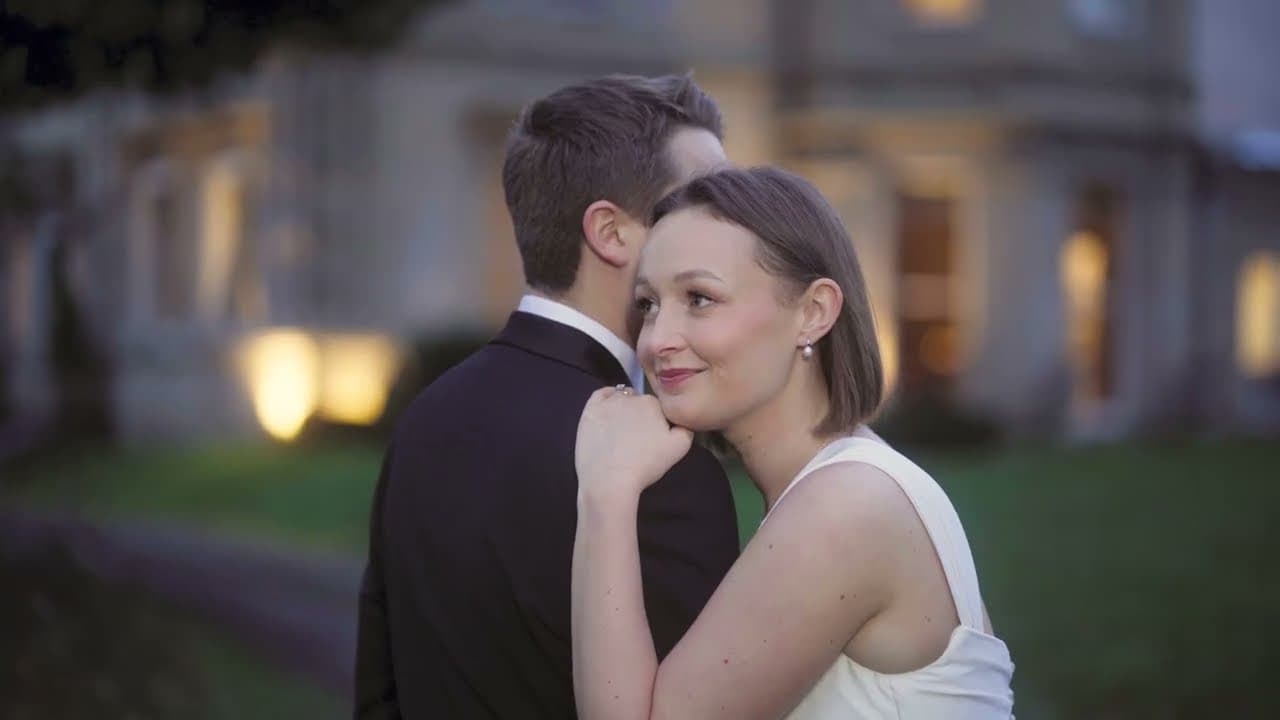
Why family matters in your wedding film
Your wedding film isn't just for you — it's for your parents, your grandparents, your future children. The moments that matter most are often the quiet ones: your mum helping you into your dress, your dad's face when he sees you, your grandparents dancing together at the reception. These are the moments that become family heirlooms.
But there's a balance. Too much focus on family and the film becomes a group portrait. Too little and it feels like something's missing. The key is intentional inclusion — moments that feel natural, not staged.
Grandparents: the quiet stars
Grandparents often say they don't want to be a bother. They sit at the back, stay out of the way, and before you know it, they're barely in the film. Here are the moments I always capture:
- Arrival shots: Grandparents arriving together, being helped out of the car, walking into the venue. There's something timeless about this.
- Ceremony reactions: Their faces during the vows, the ring exchange, the first kiss. Often more emotional than the couple's.
- Dancing: Grandparents on the dance floor — whether they're leading a ceilidh or swaying to a slow song. These are the moments future generations will treasure.
- Quiet conversations: Catching them talking with other family members, holding great-grandchildren, or simply watching the room with pride.
Parents: the emotional core
Your parents are the most emotionally invested people at your wedding (after you, obviously). The father-daughter walk, the mother helping with the dress, the parents' faces during the ceremony — these are non-negotiable moments. But beyond the obvious, I also look for:
- Mum seeing you in your dress for the first time. This is almost always the most emotional moment of the morning.
- Dad's reaction when he sees you. Whether he's stoic or weeping, it's always worth capturing.
- Parents interacting with in-laws. The first moments of the two families coming together.
- Speeches. Not just the speech itself, but the reactions — the looks between parents, the laughter, the tears.
Siblings and the wedding party
Your bridesmaids and groomsmen are part of the story too. But rather than just group shots, I look for the relationships: the best man calming your nerves, your sister helping with your veil, your brother making you laugh when you're stressed. These are the moments that show who these people are to you.
Children at weddings
Children bring chaos and joy to weddings. They're unpredictable, emotional, and often hilarious. I don't try to direct them — I just follow them. Some of the best moments are:
- Flower girls and page boys walking down the aisle. Sometimes they nail it. Sometimes they run. Both are perfect.
- Kids on the dance floor. They don't care who's watching. This energy is infectious.
- Quiet moments: a child watching the ceremony, playing in the grounds, or falling asleep on a grandparent's lap.
Blended families: sensitivity matters
If you have a blended family, your wedding film needs extra care. I always ask in advance about family dynamics — who should be included, who might prefer not to be featured, and any sensitivities around step-parents or divorced parents. The goal is a film that everyone feels good about, not one that opens old wounds.
How to plan for family inclusion
Here are practical steps to make sure your family is meaningfully included:
- Share a family list: Give me a list of the key family members you want featured, with photos if possible. This helps me identify them on the day.
- Tell me the stories: If there's a particular relationship or moment you want captured, let me know. The best films come from understanding what matters to you.
- Plan family time: Build 10–15 minutes into the schedule for family portraits or quiet moments. This isn't about posing — it's about creating space for natural interaction.
- Trust the process: Some of the best family moments are unplanned. My job is to be present and capture them as they happen.
What to avoid
There are a few things that can make family inclusion feel forced:
- Over-directing: If I ask Grandma to 'act natural' 15 times, she won't. I capture what's real.
- Too much group posing: A few group shots are fine, but the film should feel like a story, not a photo album.
- Ignoring dynamics: If two family members don't get along, I won't force them together. Sensitivity matters.
The filmmaker's perspective
From behind the camera, I see things you won't. The way your mum looks at you when she thinks you're not watching. Your dad's hands shaking as he adjusts his tie. Your grandparents holding hands during the ceremony. These are the moments that make a wedding film meaningful — not just for you, but for everyone who was there, and everyone who comes after.
Your family is the story. I'm just the one telling it.