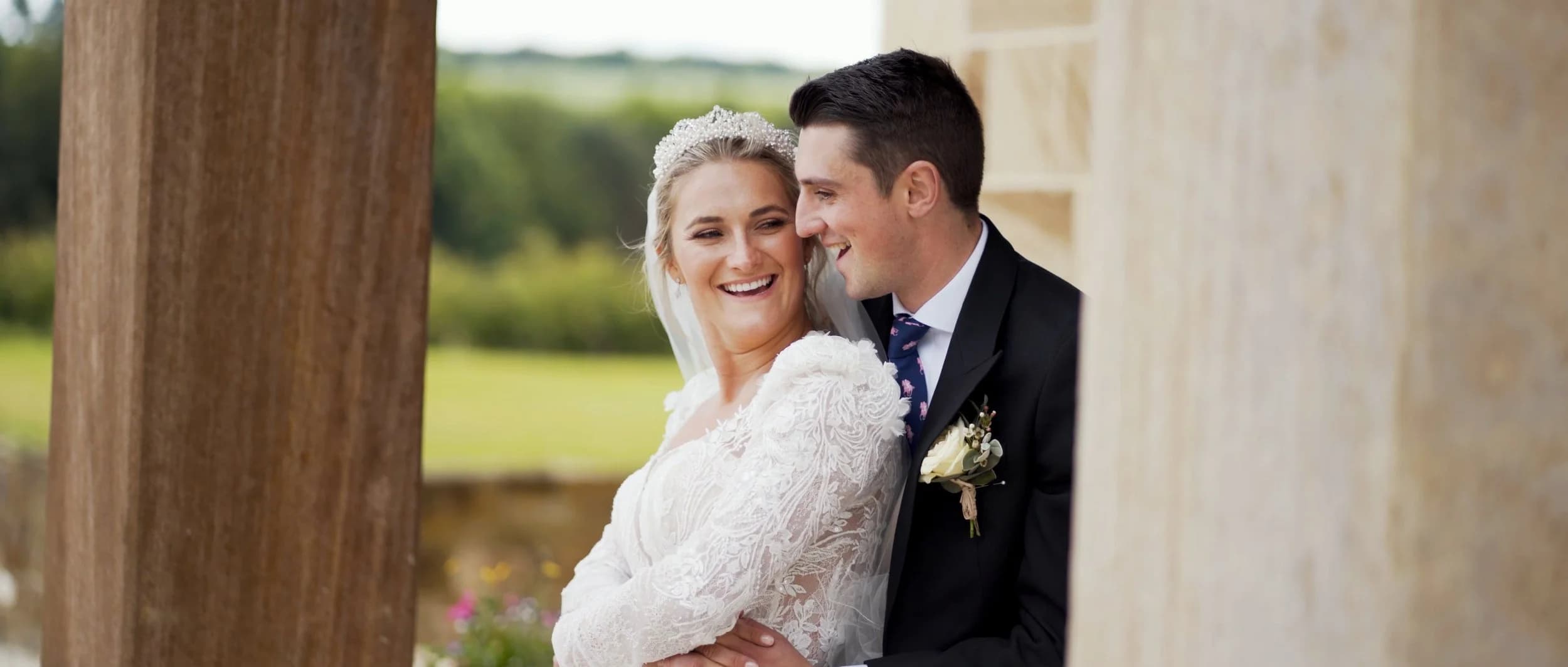
Start with the light
This might sound like a videographer thing, but it genuinely affects how your day feels. Plan your portraits for soft morning light or golden hour — that magical window about an hour before sunset when everything glows.
Midday sun works fine, especially with some shade, but if you have flexibility in your timeline, working with the light makes portraits quicker, more relaxed, and more beautiful. Your photographer and videographer will thank you.
Ask your venue what time sunset is on your date and work backwards from there. Even 15 minutes of golden hour can transform your portraits.
Build in breathing room
The single biggest mistake I see in wedding timelines? Everything is back-to-back with zero buffer. In reality, travel always takes longer than Google says. Group photos take longer than you'd think. And those post-ceremony hugs with 80 guests? That's 20 minutes minimum.
Add 10–15 minutes of buffer between every major transition. It sounds like a lot, but it's the difference between feeling rushed and feeling present. If you don't need the buffer, great — you get a bonus breather. If you do need it, you'll be glad it's there.
Protect time together
One thing couples consistently tell me they wish they'd done? Spent more time just the two of them. A short post-ceremony walk — even 10 minutes — resets the whole day. It gives you a moment to breathe, take it all in, and actually talk to each other about what just happened.
This is also when your videographer and photographer will capture some of the most natural, relaxed footage of the day. No guests watching, no schedule pressure — just you two.
Think about your guests
While you're having portraits taken, your guests need something to do. A drinks reception with canapés keeps everyone happy and social. If there's a long gap between ceremony and reception, consider lawn games, a live musician, or at least a well-stocked bar.
Happy, relaxed guests make for a better atmosphere — and better wedding films. Nobody wants footage of bored guests checking their phones.
Don't forget speeches timing
Speeches before the meal mean everyone can relax and eat without nerves. Speeches after mean the speakers can settle in first. There's no right answer, but think about what works for your speakers. Nervous dads often prefer getting it done early.
From a filming perspective, natural light during speeches makes a real difference to the quality of your video. If your reception room has good windows, afternoon speeches look gorgeous.
A sample relaxed timeline
- 10:00 — Hair and makeup begins (allow more time than you think)
- 12:00 — Getting into dress/suit, detail shots
- 13:00 — First look or travel to ceremony
- 13:30 — Ceremony
- 14:15 — Confetti and congratulations
- 14:30 — Group photos (keep the list short!)
- 15:00 — Couple portraits and private time together
- 15:30 — Drinks reception and canapés
- 16:30 — Wedding breakfast
- 18:00 — Speeches
- 19:00 — Golden hour portraits (sunset permitting)
- 19:30 — Cake cutting
- 20:00 — First dance and evening party
The key takeaway
Your timeline should serve you, not the other way around. Build in space, sequence things around light where possible, and always protect moments for just the two of you. The most relaxed weddings I've filmed all share one thing — a timeline that prioritises experience over efficiency.
If you'd like help planning your timeline or want to chat about how to structure the day for beautiful footage, get in touch. I'm always happy to help couples think through the flow of their day.
Next Step
Send your date, venue or town, and a little about what you are planning. I’ll reply myself.
Tell Me Your Date