Should You Have an Unplugged Wedding? A Filmmaker's Perspective
An unplugged wedding asks guests to put their phones away during the ceremony — no photos, no videos, no Instagram Stories. It's a growing trend, and as a wedding filmmaker, I have a unique perspective on whether it works. Here's my honest take: the pros, the cons, and what it means for your film.
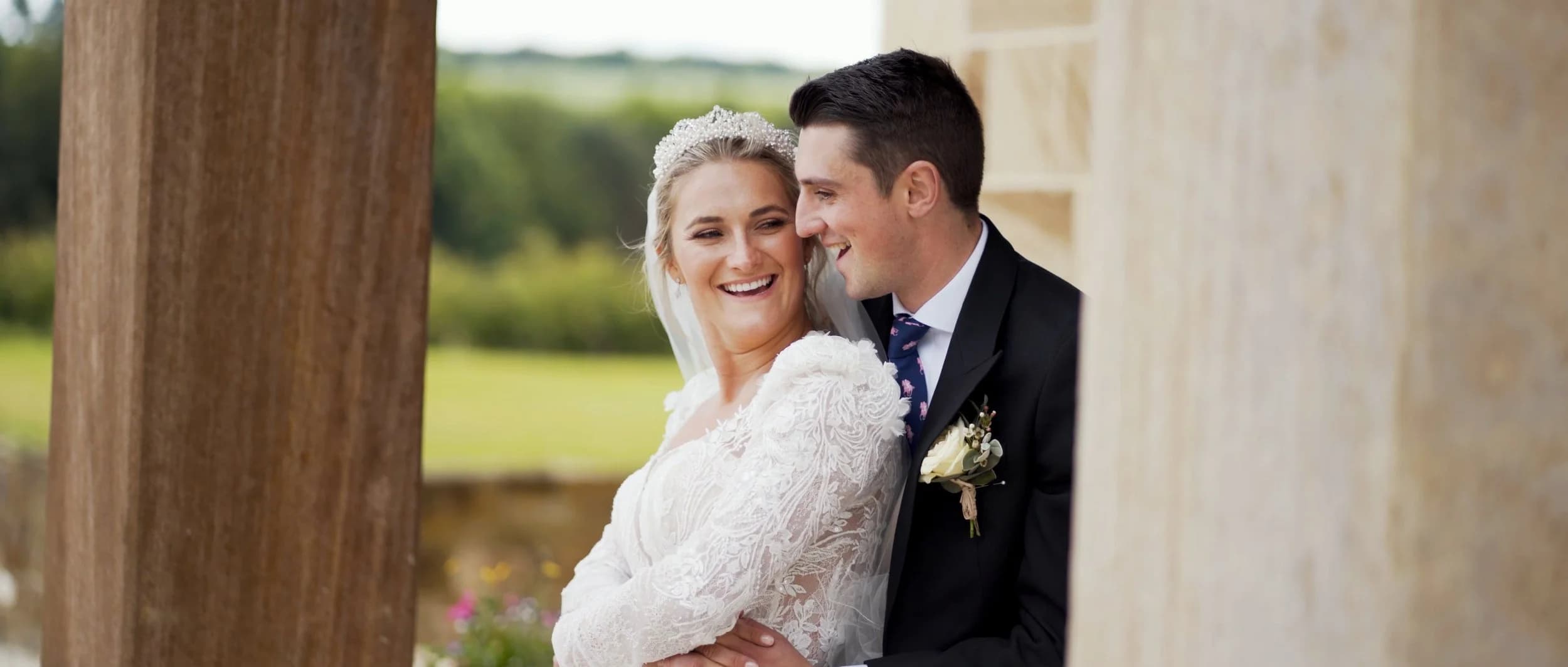
What Is an Unplugged Wedding?
An unplugged wedding is a ceremony where guests are asked — usually via a sign at the entrance or a note in the order of service — to turn off their phones, cameras, and devices. The idea is simple: everyone should be fully present, experiencing the moment through their own eyes rather than a screen.
The Pros: Why Couples Choose Unplugged
- Guests are fully present — no one watching through a screen, no one missing the moment while trying to capture it
- Your professional photos and film aren't ruined by guests leaning into the aisle with iPads or standing up to get 'the shot'
- The ceremony feels more intimate and sacred — there's something powerful about a room of people simply witnessing
- No distracting ringtones, notification sounds, or screen glows during vows
- Your film looks cleaner — I don't have to crop out phones or edit around guests holding devices in front of their faces
The Cons: Why It Might Not Work for You
- Some guests genuinely want to capture memories — especially elderly relatives who may not see you again soon
- Social media sharing is part of modern celebration — some guests enjoy posting stories and feeling connected
- It can feel prescriptive or controlling if not communicated warmly — 'rules' at a wedding can create tension
- If a guest disobeys (and someone always does), it can feel more distracting than if everyone had their phone out
- You may get fewer candid guest photos — the amateur shots that often capture moments professionals miss
What It Means for Your Film
From a filmmaker's perspective, unplugged ceremonies are a dream. Here's why:
- Clean sightlines — I can shoot wide shots without phones blocking faces
- Better guest reactions — genuine emotion, not half-attention while checking a screen
- No competing light sources — phone screens create colour temperature issues that are hard to fix in edit
- No audio interference — phone notifications, camera shutter sounds, or guests talking while filming
- More intimate footage — the absence of devices makes the ceremony feel timeless
A Middle Ground: The 'Ceremony Only' Unplugged
Most couples who love the idea of unplugged but worry about being too strict choose a compromise: unplugged for the ceremony only. Guests can photograph the reception freely. This gives you the intimacy of an unplugged ceremony while allowing guests to capture the fun, dancing, and candid moments later.
How to Communicate It Gracefully
If you decide to go unplugged, the key is warm, clear communication:
- Put it in the order of service — a simple, friendly note: 'We invite you to be fully present with us. Please turn off your phones and cameras during the ceremony.'
- Add a sign at the entrance — beautifully designed, matching your stationery
- Ask your officiant to mention it — a brief, warm reminder before the procession begins
- Reassure guests they'll get professional photos — 'Our photographer and videographer will share images after the wedding'
- Never shame guests who forget — gentle reminders, not enforcement
My Honest Recommendation
I don't believe every wedding should be unplugged. But I do believe every couple should think about it. Ask yourself: what matters more — guests capturing their own memories, or guests being fully present for yours? There's no right answer. But if you value intimacy, clean footage, and a ceremony that feels timeless, an unplugged wedding is worth considering.
The best weddings I've filmed weren't necessarily unplugged. They were weddings where the couple made intentional choices and communicated them clearly. Whether you ban phones or embrace them, do it with purpose — and your film will reflect that intention.
Want More Wedding Planning Advice?
Read my guides on wedding ceremony timelines, how to prepare for your film, or first look pros and cons.