Wedding Video Styles Explained: Which One Is Right for You?
Choosing a wedding videographer isn't just about finding someone with a camera — it's about finding a filmmaker whose style matches how you want to remember your day. The same wedding, filmed by two different videographers, can feel like entirely different events depending on the approach. Here's a breakdown of the four main wedding film styles, what they look like, who they're for, and what to expect from each.
1. Documentary (Journalistic) Style
A documentary film records your day as it happens, with minimal interference. Think of it as a wedding documentary — real moments, real people, real emotions, captured as they unfold. It features longer takes with natural sound, interviews or voiceovers from guests, ceremony and speeches in full or near-full, little to no posing or direction, and steady handheld or tripod-based shots.
Couples who want an authentic record of their day. If the idea of 'acting' for the camera makes you uncomfortable, documentary style is your friend. Typical length: 20–60 minutes.
2. Cinematic Style
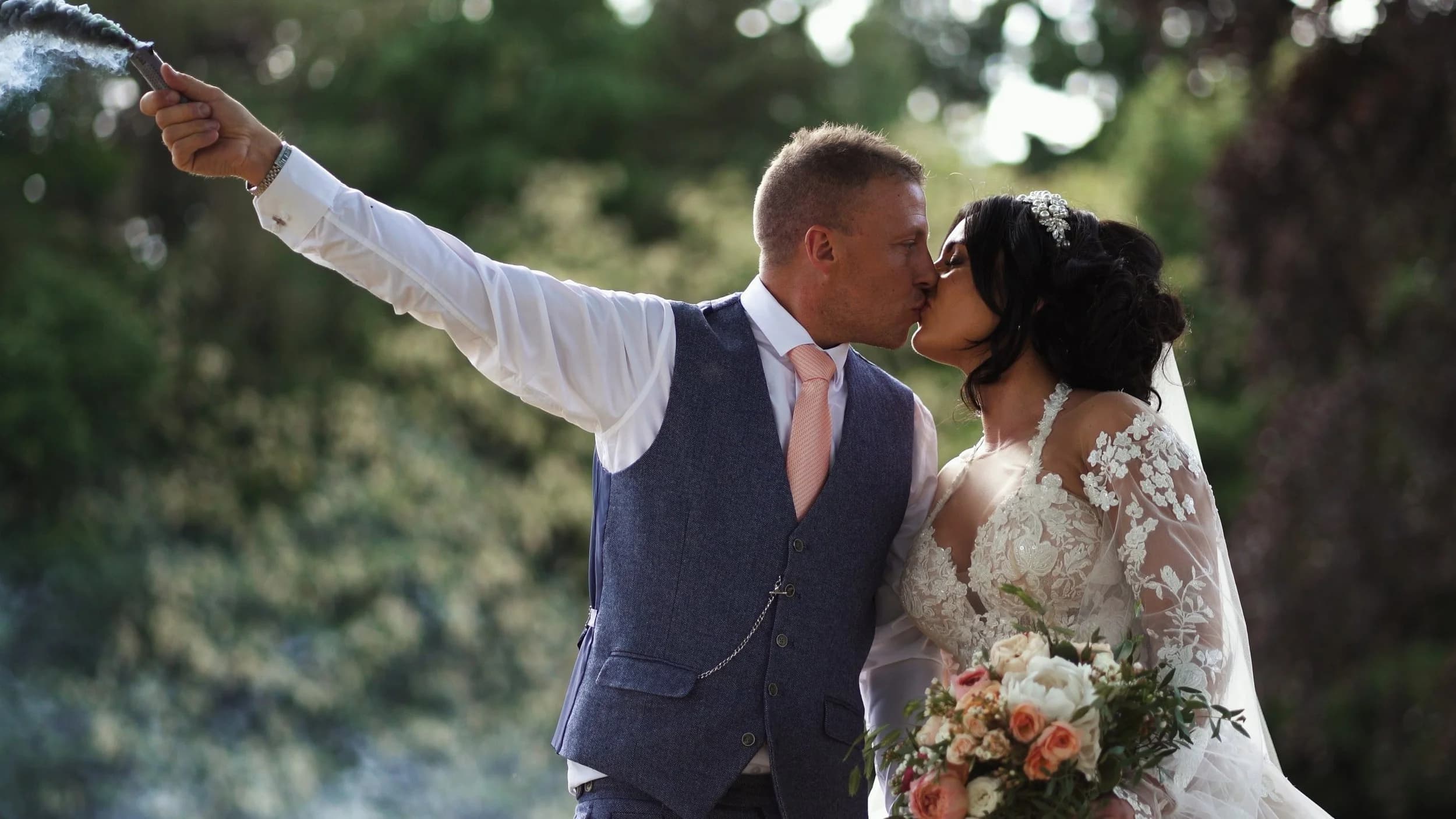
Cinematic wedding films borrow techniques from cinema — shallow depth of field, slow motion, colour grading, music-driven edits, and artistic compositions. The result feels like a movie trailer for your day. It features shallow depth of field (blurred backgrounds), slow-motion shots (120fps+), music-driven montages, drone footage for establishing shots, colour grading, and shorter, punchier cuts.
Couples who want their wedding to look like a film. If you love the idea of a 5-minute highlight reel that makes you cry every time, cinematic is for you. Typical length: 5–15 minutes (highlight), 20–30 minutes (extended).
3. Traditional (Classic) Style
Traditional wedding videos are straightforward records of the day. They're shot with a single camera, often from a fixed position, and edited chronologically. It features single-camera coverage, static wide shots, chronological edit, full ceremony and speeches, and minimal music or effects.
Couples who want a simple, no-frills record. Often preferred by older family members or those on a tight budget. Typical length: 60–120 minutes.
4. Short-Form / Social-First Style
Short-form wedding films are designed for social media. They're fast-paced, music-driven, and under 60 seconds — perfect for Instagram Reels, TikTok, or sharing with friends. It features fast cuts (1–3 seconds per shot), trending music or audio, text overlays and graphics, vertical or square format options, and highlights only.
Couples who want shareable content for social media. If your priority is Instagram over a full film, this is your style. Typical length: 30–60 seconds.
Which Style Is Right for You?
Most couples don't fit neatly into one category. That's why I offer hybrid packages that blend documentary, cinematic, and short-form styles. Ask yourself: Do I want a full record of the day, or just the highlights? Am I comfortable being directed, or do I prefer to stay natural? Will I watch this film once a year, or once a week? Do I want something shareable on social media?
The honest answer: Most couples want a mix. They want the ceremony captured in full (documentary), the portraits to look like a movie (cinematic), and a 60-second reel for Instagram (short-form).
What I Offer
I specialise in documentary-cinematic hybrid films. Ceremony and speeches are documentary — full, unscripted, authentic. Couple portraits and details are cinematic — beautiful, artistic, film-like. Social reels are short-form — shareable, music-driven, under 60 seconds. Every film is edited to tell your story, not to fit a template.
Final Thought: Style Is Secondary to Story
The best wedding film isn't the one with the most slow motion or the trendiest music. It's the one that makes you feel something. Style helps, but story wins. Choose a videographer whose work makes you emotional. Then trust them to capture your day in the way that feels right.