Before the day: preparation and planning
A professional wedding videographer does not simply turn up on the day and start filming. The best results come from preparation — understanding your timeline, your venue, your priorities, and your concerns.
At least two weeks before your wedding, I send you a detailed questionnaire covering: your venue layout and key locations, your timeline for the day, any special moments you want captured, family dynamics I should be aware of, and your preferences for filming style. This is not bureaucracy — it is the foundation of a wedding film that feels personal rather than generic.
I also research your venue thoroughly. Even if I have filmed there before, I check for any changes to layout, lighting, or access. If I have not filmed there, I visit beforehand or study photographs and floor plans. The more I know about the space, the less intrusive I can be on the day.
Arrival and bridal preparations
I typically arrive at the bridal preparations location 2-3 hours before the ceremony. This is not because I need two hours of footage — it is because the best moments happen when people have forgotten the camera is there.
The first 30 minutes are usually quiet. I set up equipment, assess the light, and let everyone get used to my presence. Then I start filming unobtrusively — the dress hanging, the shoes by the window, the makeup being applied, the quiet conversations between a bride and her mother. These are the moments that make a wedding film feel genuine rather than staged.
If the groom is getting ready separately, I may have a second shooter cover that, or I will capture groom preparations earlier in the day before moving to the bridal location. This depends on logistics, timing, and your preferences.
During the ceremony
This is where experience matters most. A good wedding videographer is simultaneously invisible and omnipresent — capturing everything without distracting anyone.
I typically use two or three camera positions during the ceremony: a wide shot from the back capturing the full scene, a mid shot from the side focused on the couple, and a close-up capturing faces and emotions. I move between these positions during natural breaks in the ceremony — never during vows, ring exchanges, or other significant moments.
Audio is crucial during the ceremony. I use wireless microphones on the groom and officiant, and a separate recorder near any speakers or musicians. Even in venues with challenging acoustics, this ensures clear audio for your film.
After the ceremony: confetti and group shots
The period immediately after the ceremony is often the most logistically complex. Guests are moving, the couple is being congratulated, and there is a narrow window for group photographs.
I work around your photographer during this period, capturing candid moments of congratulations while they organise group shots. If time allows, I may film some group video messages — short clips of guests wishing you well — which add a lovely personal touch to your film.
The confetti shot is a key moment. I coordinate with your photographer to position myself where I can capture the confetti in the air without being in their shots. The best confetti footage usually comes from a slightly elevated position or from behind the couple as they walk through the line.
The reception: speeches, dinner, and dancing
Speeches are one of the most important parts of your wedding film. I set up dedicated audio recording for each speech — either by mic'ing the speakers directly or positioning a recorder close to them. I also capture reaction shots of the couple, parents, and guests, which often provide the most emotional moments of the entire film.
During dinner, I typically take a short break to back up footage, change batteries, and prepare for the evening. This is also when I might capture detail shots of the venue styling, table settings, and any personal touches you have added.
The first dance is a key moment that requires planning. I discuss lighting with your venue or DJ beforehand to ensure the dance floor is appropriately lit for video. I typically use two camera positions — one wide, one close — and sometimes a third if the venue allows drone footage.
Couple portraits and golden hour
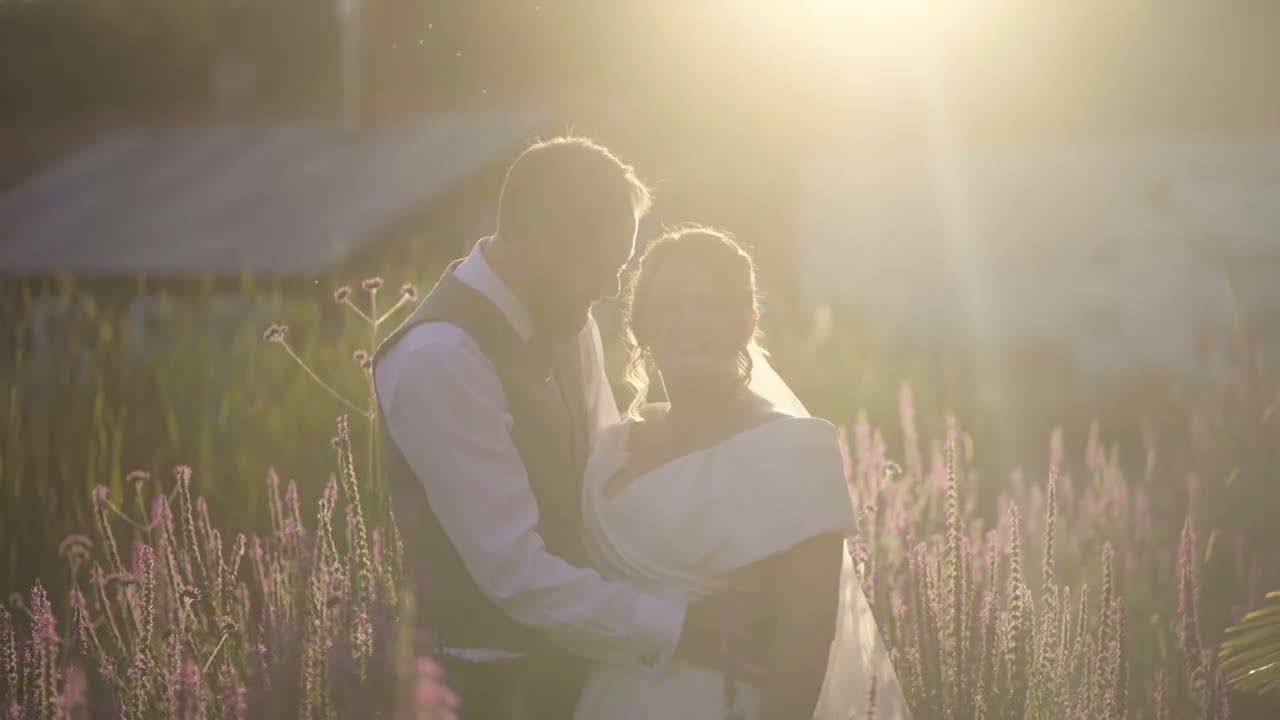
The best wedding films include footage of the couple away from the crowd — quiet moments that show their connection without the noise of the celebration. I usually suggest 15-20 minutes during golden hour (the hour before sunset) for couple portraits that both the photographer and I can capture.
This is not a separate photo shoot — it is part of your day. I capture the natural interaction between you and your partner while the photographer gets their shots. The result is footage that feels genuine rather than staged, showing you as you actually are together.
How much direction will you receive?
This depends on your preferences and my style. I work primarily as a documentary filmmaker — capturing what happens naturally rather than directing events. However, there are moments where gentle guidance helps: during couple portraits, I might suggest a location or a pose; during group shots, I might ask you to walk toward me naturally rather than standing still.
The key principle is that your wedding day belongs to you, not to the camera. I never stop events, ask people to repeat moments, or make your day feel like a film set. The best footage comes from genuine moments that happen because you are enjoying your day, not performing for a camera.
Working with other suppliers
A professional wedding videographer works as part of a team. I coordinate with your photographer, venue coordinator, DJ, and celebrant to ensure everyone knows what to expect and when. This is particularly important for key moments like the ceremony entrance, confetti throw, first dance, and cake cutting.
Most experienced wedding suppliers understand how to work together. Problems usually arise when someone tries to control the timeline too rigidly or when communication breaks down. I always arrive early enough to introduce myself to other suppliers and establish how we will work together.
What you should do to help
The best wedding films come from couples who trust their videographer and focus on enjoying their day. Here are a few things that help:
- Share your timeline in advance so I can plan coverage.
- Introduce me to key family members so I know who to capture.
- Let me know about any surprises or special moments planned.
- Trust the process — I have filmed hundreds of weddings and know what works.
- Enjoy your day — the best footage comes from genuine emotion, not forced smiles.
What happens after the wedding
After your wedding, I back up all footage to multiple locations before leaving the venue. Editing typically takes 6-10 weeks depending on the season. You will receive a highlight film (5-8 minutes) and a full-length film (20-40 minutes) capturing the complete story of your day.
I also keep all raw footage archived for 12 months, so if you want additional edits or a longer version later, that is always possible.
Final thoughts
Your wedding videographer should be a calming presence on your day — someone who captures everything without adding stress or demanding attention. The best films come from couples who feel comfortable enough to forget the camera exists, and from videographers who know when to step back and let moments happen.
If you are planning your wedding and want to discuss how I would approach filming your day, I would love to hear from you. Every wedding is different, and I always tailor my approach to match the couple, the venue, and the particular character of the day.
Next Step
Send your date, venue or town, and a little about what you are planning. I’ll reply myself.
Tell Me Your Date